
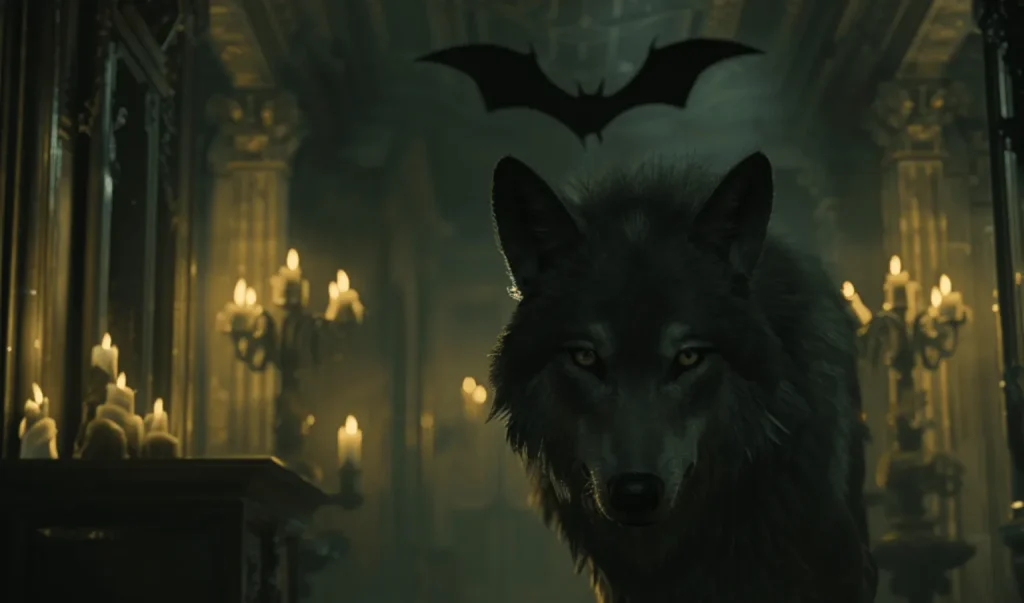
For centuries, humanity has been fascinated by stories of creatures that exist just beyond the edge of reality. Vampires and werewolves, in particular, have endured across cultures, evolving from ancient folklore into modern storytelling icons. These creatures represent more than fear they embody curiosity, transformation, power, and the unknown aspects of human nature.
The idea of vampires traces back to early European myths, where they were often depicted as cursed beings feeding on the living. Over time, they became more complex romantic, intelligent, even tragic. Werewolves followed a similar trajectory. Initially feared as uncontrollable beasts, they gradually became symbols of duality: the battle between human restraint and primal instinct.
What makes these legends so powerful is their flexibility. They can represent immortality or damnation, freedom or imprisonment, strength or loss of control. In modern storytelling, these creatures are no longer just monsters they are characters navigating identity, morality, and survival. This is where Immortals Ignorance distinguishes itself.
Rather than simply retelling familiar myths, the book questions the very foundation of these legends. As introduced early in the book, the narrative doesn’t ask whether vampires and werewolves exist it assumes that some truth must lie behind centuries of stories across cultures. This shift in perspective immediately deepens the narrative.
The story follows David, an ordinary teenager whose life is turned upside down when he is pulled into a hidden world of cryptids. What begins as a typical high school experience crushes, classes, part-time work quickly spirals into something far darker. The transition is not abrupt but unsettlingly gradual, mirroring how myths might exist quietly alongside reality.
One of the most compelling aspects of the book is how it humanizes these legendary creatures. The vampire Alexander is not just a predator; he is strategic, manipulative, and driven by hierarchy and ambition. Similarly, the werewolves are not mindless beasts but organized, thinking entities with their own structure and loyalties.
David’s transformation into a vampire becomes the central emotional and philosophical conflict. His heightened senses, internal “blood memories,” and struggle to retain his humanity reflect a deeper question: what does it mean to remain human when your nature is fundamentally changed?
The novel also explores the idea of ignorance not just in humans, but within the supernatural world itself. The “veil” that hides these creatures from ordinary people raises an important question: is ignorance a form of protection, or is it a weakness?
Through David’s journey, readers are forced to confront that same question. His ignorance at the beginning makes him vulnerable, but knowledge comes at a cost. The more he learns, the more dangerous his world becomes.
Ultimately, Immortals Ignorance doesn’t just revisit vampire and werewolf mythology it reframes it. It asks readers to consider what lies beneath the legends, and whether the truth might be far more complex and far more dangerous than the stories we’ve been told.